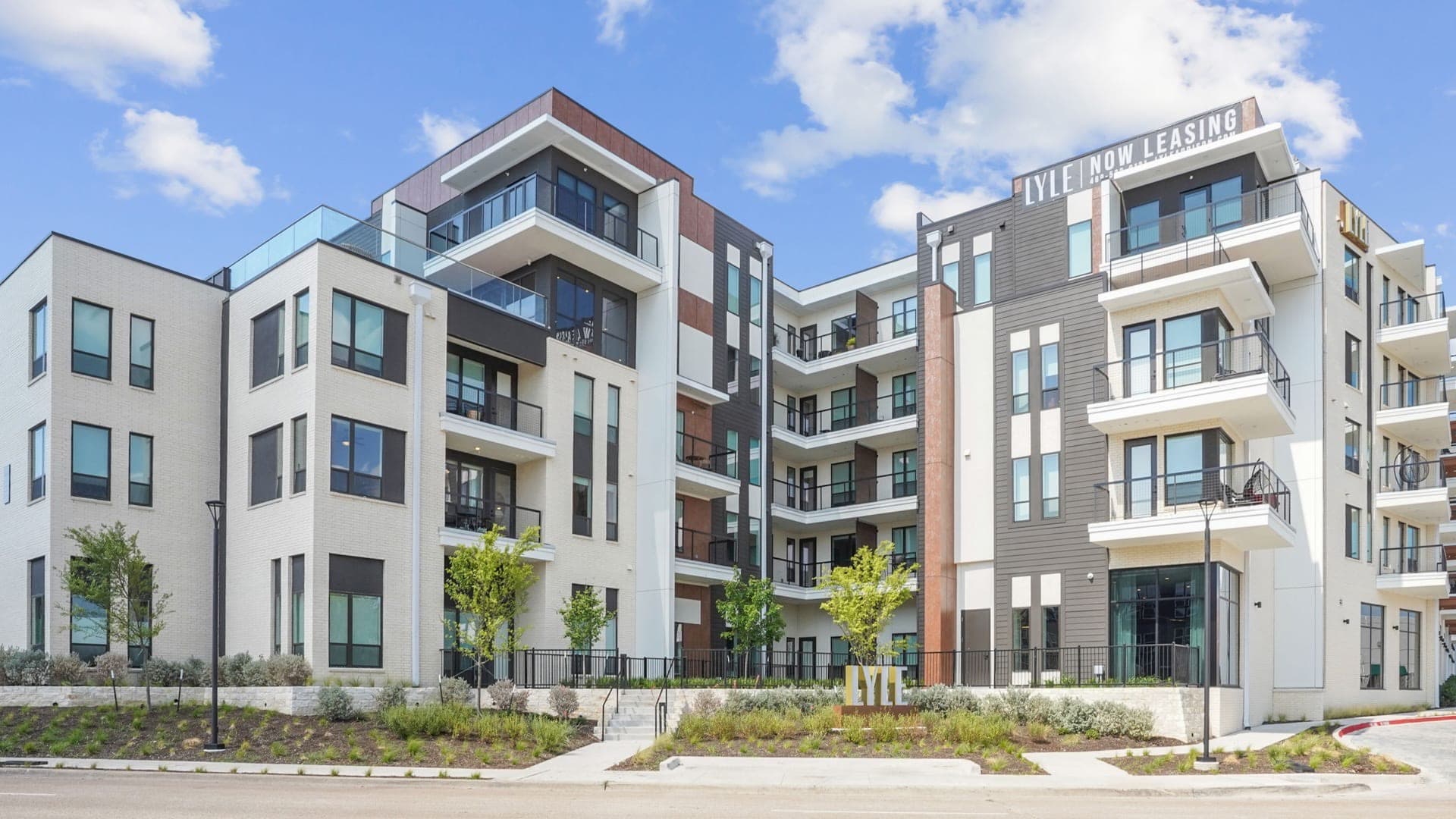
Apartments & Condos
How apartments & condos projects are typically approached
Dallas's multi-family housing market reflects the city's diversity and growth, with apartment complexes and condominiums serving a broad spectrum of residents from young professionals to established families throughout the metro area. From luxury high-rises in Uptown to community-oriented complexes in established neighborhoods, our comprehensive refinishing programs preserve property value and enhance resident satisfaction in a competitive rental market. We understand that multi-family properties in Dallas serve diverse resident demographics, requiring solutions that balance quality, affordability, and community appeal. Our expertise includes durable exterior coatings that protect building envelopes from North Texas weather, interior finishes that create welcoming living spaces, and common area renovations that enhance community pride. We specialize in scalable solutions for large properties, low-odor formulations suitable for occupied buildings, and cost-effective approaches that maximize property investment returns. From modern high-rises in downtown Dallas to established communities in the suburbs, our team delivers quality that improves resident satisfaction and protects property assets in one of North Texas's most dynamic housing markets.
In practice, apartments & condos scopes usually revolve around access, durability, and how the work can be staged around the people using the property. That means surface prep, sequencing, and finish selection are treated as operational decisions rather than purely aesthetic ones.
For Dallas-area owners, the most useful estimate is usually the one that makes the schedule legible. It should explain how crews will move, where protection is needed, what finish standards matter most, and how the building will be handed back once the work is complete. That clarity matters just as much on a single-building refresh as it does on a broader capital-improvement program.
How the work is usually staged
Scope review and field walk
Most apartments & condos projects start with a site walk that identifies access limits, occupant concerns, staging areas, and the finish expectations that matter most to ownership or facilities teams.
Prep, protection, and sequencing
Before coating application begins, crews usually need a clear plan for masking, protection, substrate repair, and how work will move zone by zone without creating avoidable disruption.
Production around active use
Whether the property is occupied, partially vacant, or moving through phased turnover, the schedule has to reflect how people actually use the space rather than how the plans read on paper.
Punch, turnover, and maintenance handoff
Closeout is where the project either feels organized or unfinished. Good handoff includes labeled touch-up material, resolved punch items, and clear notes for future maintenance cycles.
Apartments & Condos work also tends to carry different wear patterns than a generic commercial repaint. Some surfaces are touched constantly, some need to stay open to the public, and some only become accessible during narrow maintenance windows. A stronger property-type page should help owners think through those practical constraints before the quote conversation begins.
What owners usually care about first
Owners evaluating apartments & condos painting work are usually trying to balance finish quality with operational realism. That means understanding not only what gets painted, but when crews can safely access it, how long each area will be affected, and what level of protection is required for occupants, furnishings, equipment, or adjacent trades. Those planning details often separate a smooth project from one that creates constant follow-up.
It also means clarifying expectations around finish consistency, repair scope, and punch response before production starts. For many Dallas commercial teams, the strongest contractor is not simply the lowest bidder, but the one whose scope is easiest to manage once calendars, tenants, and building operations are involved.
Typical work zones inside this property type
On most apartments & condos projects, those zones do not all move at the same pace. Some can be completed in broad production runs, while others need tighter coordination with occupancy, deliveries, turnover, or maintenance access. Building the schedule around that difference is usually what keeps the job efficient and the property usable.
Related Dallas service routes
Moving from a property-type page into the specific service route usually helps clarify whether the real need is a broad repaint, a specialty coating system, a maintenance contract, or a narrower scope like waterproofing, floor coatings, or tenant improvement work. Keeping those routes connected is useful for both site visitors and the underlying taxonomy.
Where this property type shows up across the metroplex
Dallas remains the lead office, but the same property type can appear under very different operating conditions from market to market. Linking the sector page back into surrounding cities makes it easier to understand whether the local challenge is visibility, occupancy, logistics, hospitality wear, industrial exposure, or a more conventional office schedule.
Closeout and long-term upkeep
Finished work on apartments & condos rarely ends with the final coat. Owners generally need a clean punch process, clear turnover notes, and a record of any areas that may need future observation because of substrate age, weather exposure, or higher-than-normal wear. Those notes become especially valuable when facilities teams are maintaining multiple buildings or coordinating work across several phases.
Maintenance planning also protects the value of the original scope. Touch-up material, finish schedules, and a realistic view of future wear help the next round of work stay organized instead of starting from scratch. For commercial property teams in Dallas, that kind of documentation often matters as much as the initial visual result.
Bring the property address, rough scope, and schedule constraints. That is usually enough to start a useful conversation.