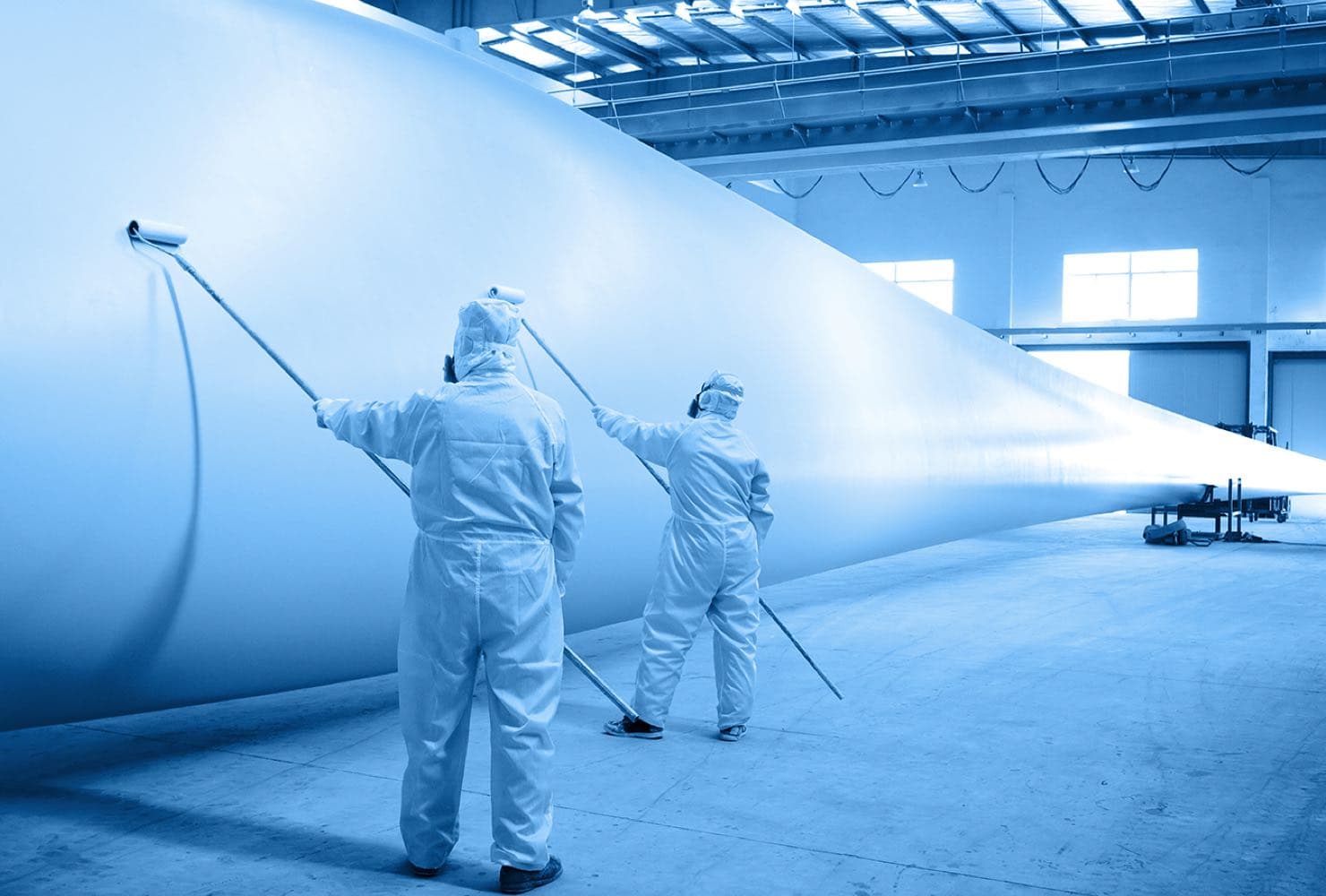
Industrial Coatings & Protective Systems
Service overview and fit
Industrial coatings provide protective barriers against chemical exposure, corrosion, abrasion, and extreme temperatures in manufacturing and industrial environments. Unlike standard paint, industrial coatings are engineered for specific conditions and performance requirements. Dallas's manufacturing sector—from food processing to aerospace—requires specialized coating systems that maintain facility safety, cleanliness, and operational efficiency.
Industrial coatings encompass a range of specialized systems including epoxy floor coatings, chemical-resistant wall systems, anti-corrosion primers for metal structures, and high-temperature coatings for equipment and piping. Our team selects and applies industrial coatings based on your facility's specific exposures, including chemicals, moisture, temperature extremes, and mechanical wear.
Industrial Coatings scopes in Dallas usually depend as much on planning as they do on coating selection. Square footage matters, but access, occupancy, equipment protection, and the sequence of other trades are what determine whether the work moves smoothly. For many properties, the first useful conversation is not “what color” but “when can crews safely prep, stage, and close out without interrupting the building’s normal rhythm.”
What the work typically includes
That is especially true for industrial work where owners are balancing appearance, durability, and schedule pressure at the same time. When a scope is written around real building conditions instead of assumptions, the job is easier to price accurately, easier to communicate to stakeholders, and easier to finish without the usual last-minute change orders or access surprises.
How projects are staged
Facility Assessment
Detailed evaluation of environmental conditions, chemical exposures, temperature ranges, and traffic patterns to select appropriate coating systems.
Surface Preparation
Industrial-grade surface preparation including shot blasting, acid etching, or grinding to create proper profile for coating adhesion.
Primer Application
Specialized primers designed for industrial substrates and environmental conditions. Critical for long-term coating performance.
Topcoat Installation
Professional application of industrial coating systems with proper thickness, cure times, and quality control. Multiple coats as engineered.
On active commercial properties, that staging usually includes more than just work order sequencing. It often means coordinating entry routes, isolating occupied areas, confirming cure or dry times with the owner, and deciding how crews will handle daily cleanup so the property never feels partially abandoned between shifts.
Planning factors for Dallas properties
Dallas's industrial sector includes major manufacturing operations from food processing to advanced aerospace manufacturing. Companies like Texas Instruments, Lockheed Martin, and numerous food processors require industrial coatings that protect facilities while maintaining strict regulatory compliance. Our team understands these requirements and delivers coating systems that perform. That local context shapes how estimates are built, how crews are staged, and how coating systems are matched to the property rather than copied from a generic spec.
Owners comparing bids for industrial coatings usually need to evaluate more than the coating line item. Surface condition, access requirements, occupant impact, prep scope, protection standards, and the complexity of closeout all influence the real workload. Treating those items explicitly usually produces a better schedule, fewer surprises in the field, and a finish standard that aligns with how the property is actually used day to day.
2-10 mil thickness, chemical resistant, compressive strength 10,000+ PSI, suitable for forklift traffic
Resistant to acids, alkalis, solvents; seamless application; meets FDA standards for food facilities
Rated for continuous exposure up to 1200°F, silicone or ceramic-based, prevents corrosion at elevated temps
Execution, access, and closeout expectations
Once a industrial coatings scope moves from estimate to production, the quality of the finish depends heavily on how access and protection are handled. Crews usually need a clear answer on staging areas, lift paths, occupied-room turnover, protection of inventory or electronics, and how daily cleanup will be verified before the next shift or tenant cycle begins. Those decisions influence labor hours just as much as the square footage itself, which is why experienced commercial painters spend so much time clarifying logistics before paint ever gets opened.
Closeout matters for the same reason. Owners typically want punch work documented, touch-up material labeled, and any maintenance recommendations handed over in a way that is actually useful to facilities teams. For Dallas properties dealing with heat, dust, tenant turnover, or frequent operational changes, that final handoff often determines whether the project feels complete or simply finished. A stronger scope usually anticipates those expectations instead of treating them as afterthoughts.
Long-term performance is usually part of the same conversation. Recoat timing, wash cycles, traffic patterns, and the simple question of who will be responsible for future maintenance all affect which system makes sense today. That is why many commercial owners compare proposed scopes not only by price, but by how clearly the contractor explains upkeep, documentation, and what conditions could shorten the life of the finish once the building goes back into full use.
Common use cases and owner priorities
Industrial Coatings is usually the right fit when the property needs a combination of finish consistency, operational coordination, and predictable closeout. That includes scenarios like manufacturing facilities with chemical exposures, food processing plants requiring fda-compliant coatings, aerospace and defense facilities with specialized requirements. In practical terms, owners are often looking for a contractor who can work through prep and application in a way that respects staff, tenants, inventory, or production schedules while still leaving a durable finished surface behind.
Frequently asked questions
How long do industrial coatings last?
Industrial coating lifespan depends on environmental conditions and facility use. Properly applied epoxy floors typically last 10-20 years, chemical-resistant wall systems 5-10 years, and high-temperature coatings 3-7 years. Regular inspections and maintenance extend coating life.
Can you apply coatings without shutting down production?
In many cases, yes. We offer phased approaches that coat sections of your facility sequentially, allowing continued operations in other areas. Some rapid-cure systems allow return to service within 24 hours. We'll work with your production schedule to minimize downtime.
Are industrial coatings safe for food processing facilities?
Yes, we use FDA-compliant, food-grade coatings specifically designed for food processing environments. These coatings meet all USDA and FDA requirements, are antimicrobial, and create seamless surfaces that prevent bacterial growth and simplify sanitation.